


From wearables to facial biometrics: IMSE brings technology closer to the public
The Institute of Microelectronics of Seville participated in this European event with two outreach initiatives focused on advances in electronics, wearables, and the security of facial recognition systems

2 min read
Last Friday, September 26, the European Researchers’ Night took place—an annual science event organized by the European Commission that aims to bring research closer to the public in a practical yet entertaining way. This fifteenth edition, held simultaneously in nearly 400 European cities and featuring around 1,000 activities, brought together more than 3,000 researchers to share their work with the public.
On this occasion, the Institute of Microelectronics of Seville (IMSE-CNM) participated with two activities.
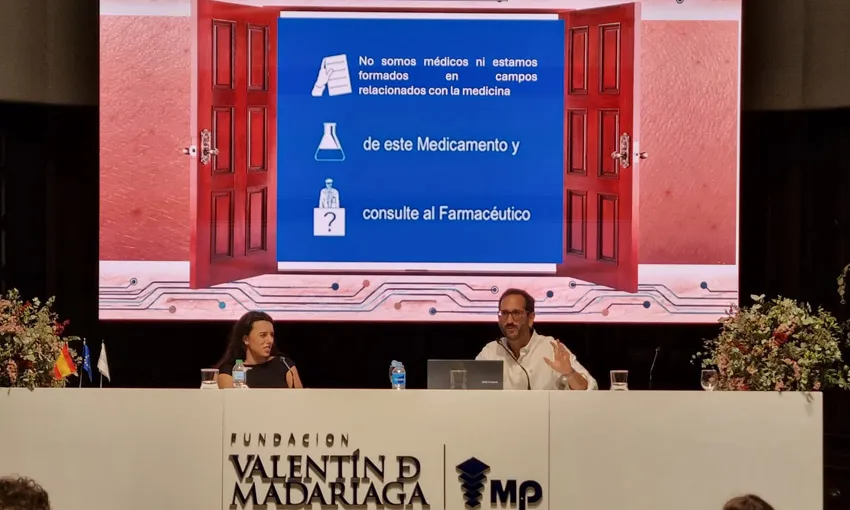
First, researchers Antonio Domínguez-Alfaro and Carlota Gómez gave a talk titled “When Technology Sticks to Your Skin: The Future You’re Already Wearing” at the Valentín de Madariaga Foundation’s auditorium. During the session, they explained how certain devices used by many people on a daily basis—such as wearables—work and the technologies behind them.
During a final round of questions, attendees showed great interest in learning how advances in electronics, materials, and bioengineering can contribute to improvements in areas such as early diagnosis, personalized medicine, and security.
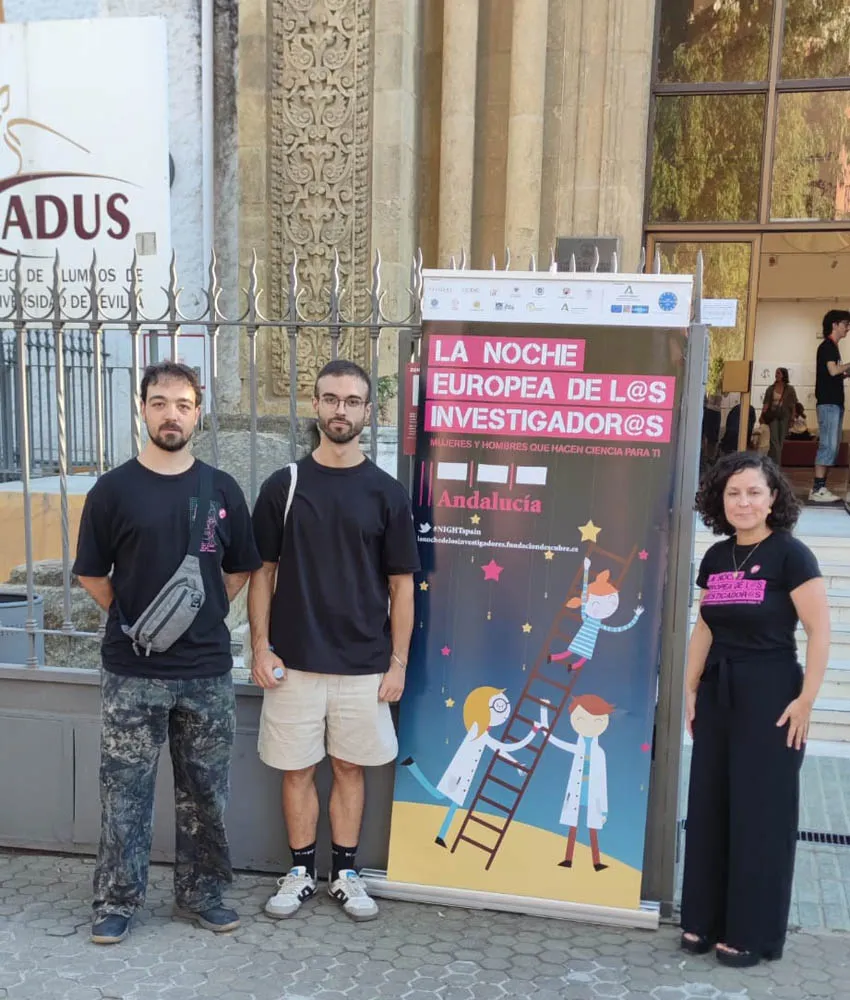
Just a few meters away, at the Uruguay Pavilion, a second group—comprising Rosario Arjona, Joseba Martínez, and Sergio Tejeda conducted the activity “Fake Faces, Real Access” which aimed to raise awareness about the threats to our digital identity posed by the use of facial biometrics.
The activity provided a practical insight into how facial recognition systems can be vulnerable to certain types of attacks. To demonstrate this, researchers conducted various tests using images displayed on mobile phones, printed faces, masks, and makeup—among other methods—to show how fake faces can be used to attempt to deceive these systems.
Finally, some of the techniques developed to counter this type of attack were presented, as well as the requirements a facial recognition system must meet to offer greater security assurances and recommendations for the proper use of this technology.
Once again, the IMSE reinforces its position in science outreach, bringing cutting-edge research to diverse audiences and showcasing the impact of microelectronics and digital security on daily life and the technological challenges of the future.
Keep reading
Institutional
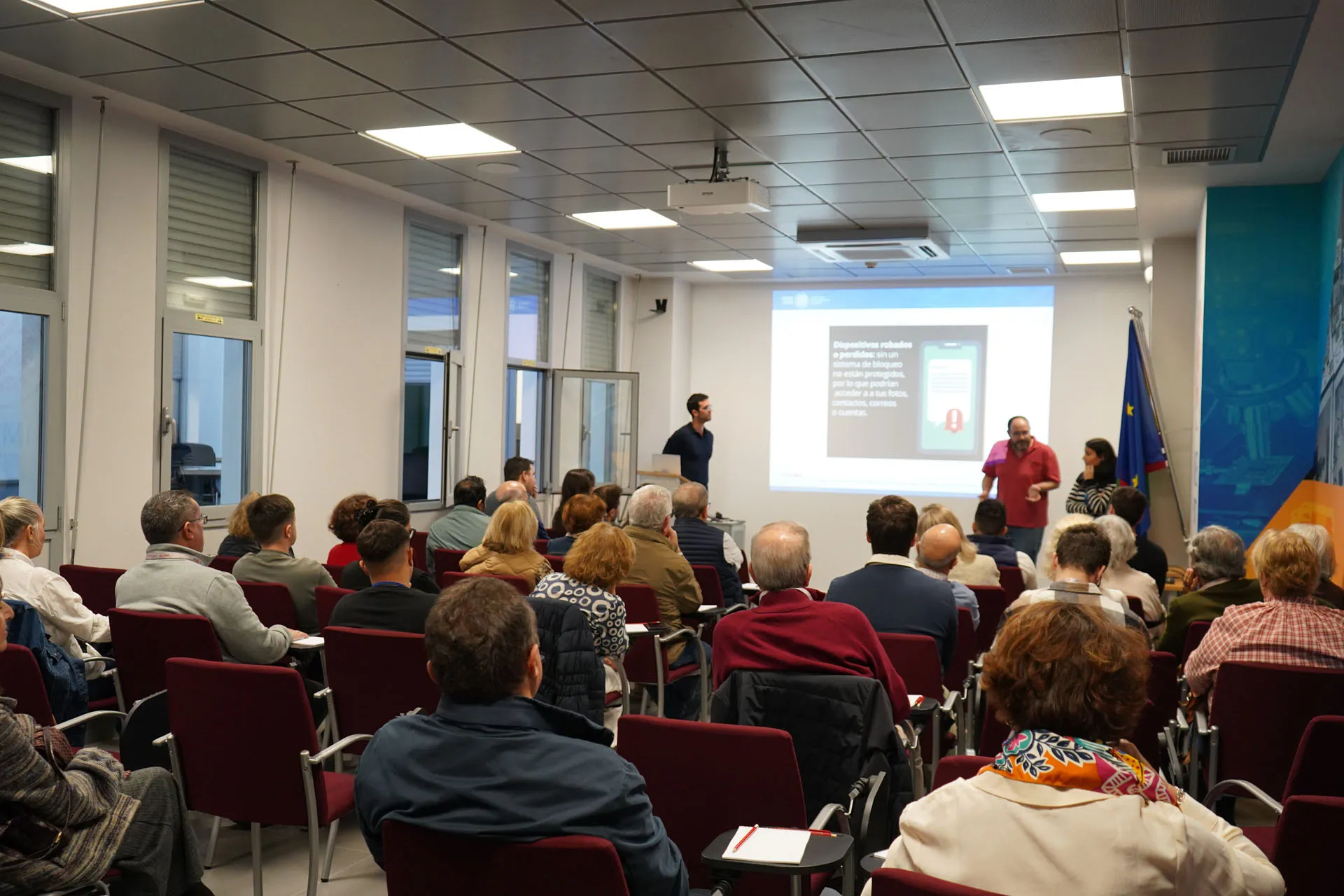
Cyber-Secure Breakfast: Learning how to protect yourself from digital fraud
The event combined scientific outreach, digital safety advice, and a visit to the Institute’s laboratories, with the aim of bringing research closer to older adults

Institutional
IMSE Forum 2.0: a new meeting point for research and technology
These gatherings, which are planned to take place monthly, aim to share knowledge, showcase the work being done at the IMSE, and foster the exchange of ideas
Institutional
IMSE brings technology and innovation to the Science Fair
Once again, the Institute of Microelectronics of Seville has been present at the Science Fair, which is now in its 24th edition.